
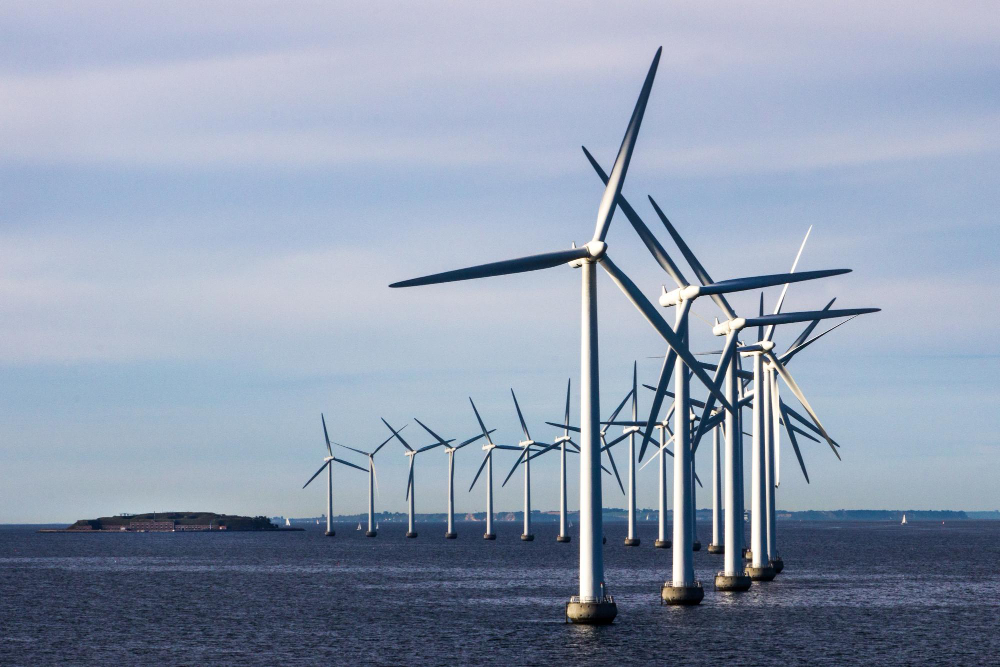
As the world shifts toward cleaner and more sustainable energy solutions, wind power has emerged as one of the leading forces driving this transformation. Harnessing the natural movement of air to generate electricity, it offers a renewable, low-emission alternative to fossil fuels, making it a critical part of the global energy future.
How Wind Power Works
Wind turbines capture kinetic energy from moving air and convert it into electricity through a generator. Modern designs can operate efficiently in varying wind conditions, both onshore and offshore.
Environmental Benefits
Wind energy produces no greenhouse gas emissions during operation, reducing the carbon footprint of electricity generation. It also conserves water resources compared to traditional power plants.
Economic Potential and Job Creation
The wind industry generates employment in manufacturing, installation, maintenance, and research. It also provides income for landowners who lease their land for turbine placement.
Technological Advancements
Improved turbine designs, better materials, and advanced monitoring systems have increased efficiency, reduced costs, and made wind energy more competitive with conventional power sources.
Challenges and Considerations
While wind power is promising, factors like intermittent supply, land use, and wildlife impact require careful planning and integration with other energy systems.
Conclusion
Wind power represents a powerful step toward a cleaner, more sustainable energy future. By combining environmental benefits with economic opportunities, it has the potential to play a central role in meeting global energy needs while protecting the planet for generations to come.